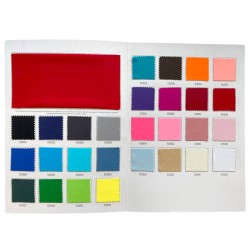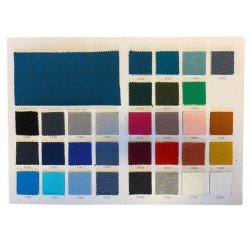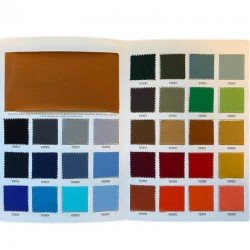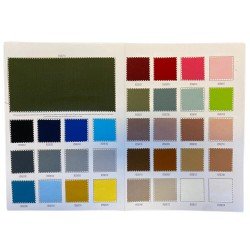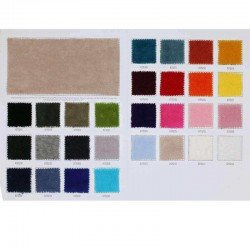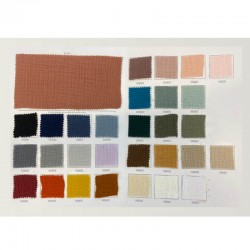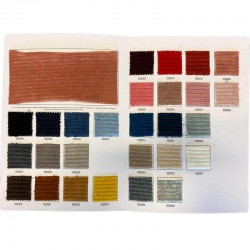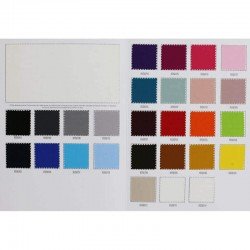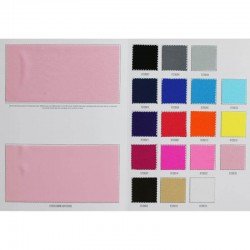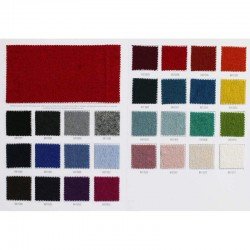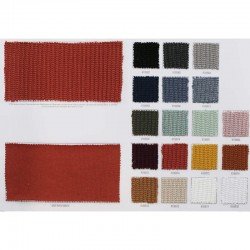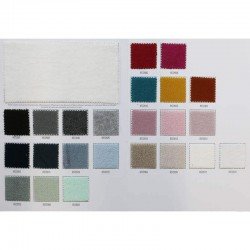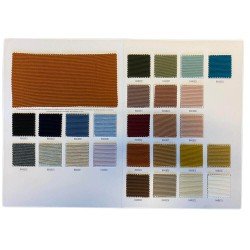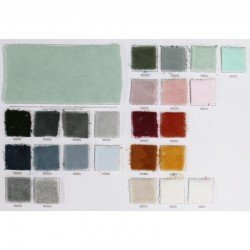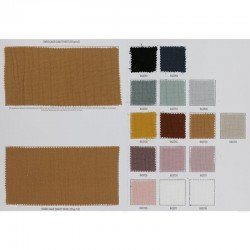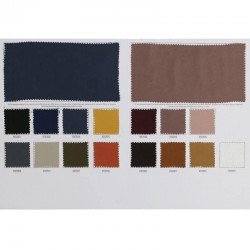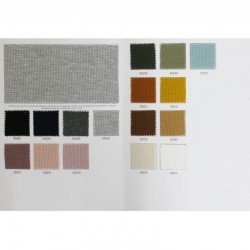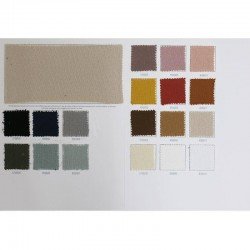















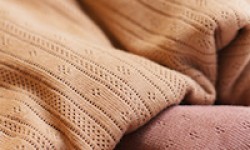
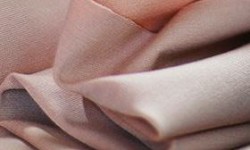
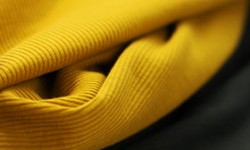
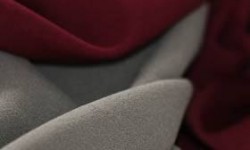
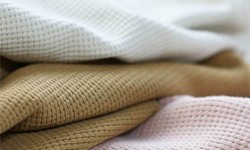
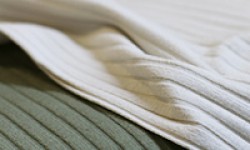

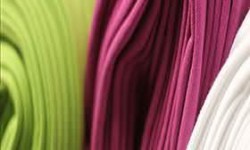
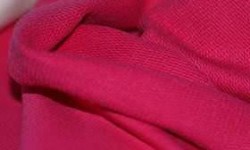
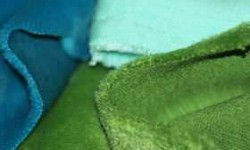
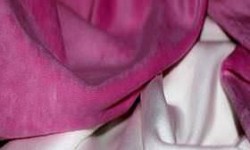



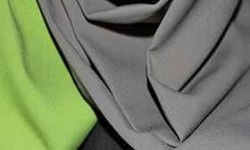
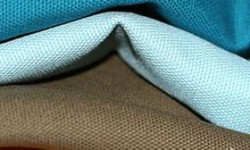







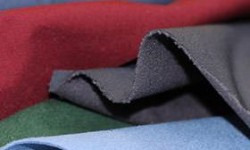


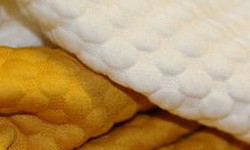
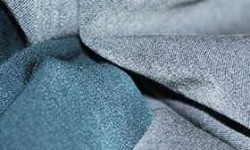
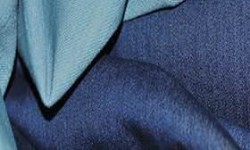
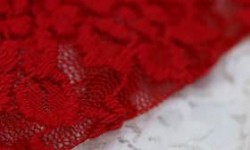

Bamboo Jersey Fabric Sample Card

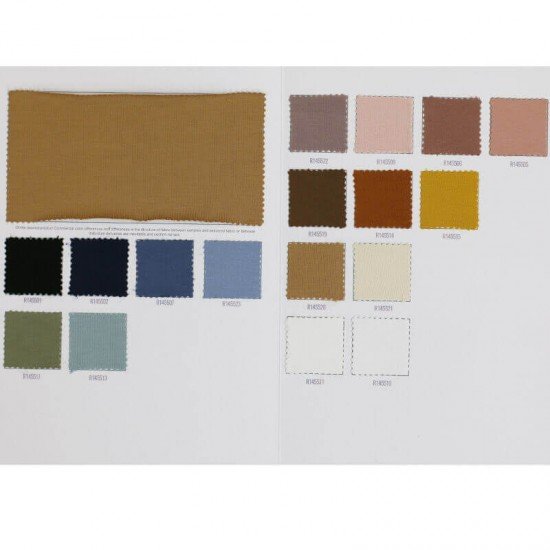


Bamboo Jersey Fabric Sample Card
€ 9.95
vat shipping costsEx Tax: € 8.22
- Stock: In Stock
- Model: R1455SCARD

Sample Card
17 Different Colors.
17 Different Colors.
Unique product range
Available from stock
Processing up to +/- 7 days
14 days money back
Wholesale rates
Track & Trace
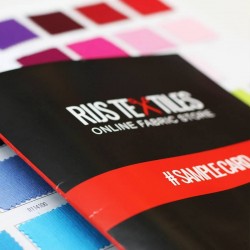
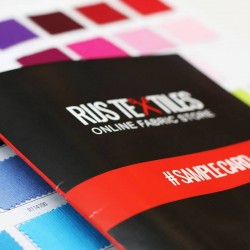
Bamboo Jersey Fabric Sample Card online.
Product code: R1455SCARD
Quality: 96% Bamboo 4% Elastan
Width: 150 cm
Weight: +/- 240 grams/m2
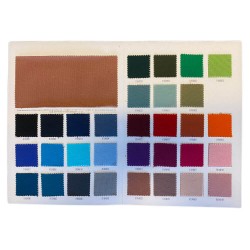
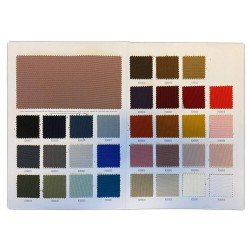
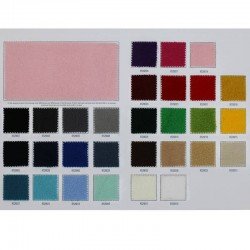
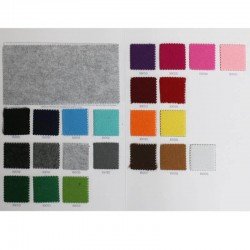
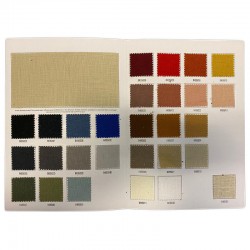
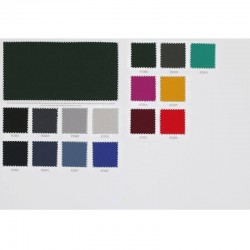
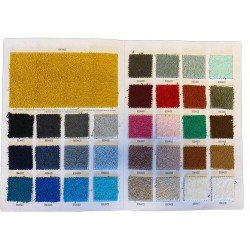
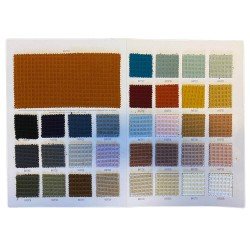
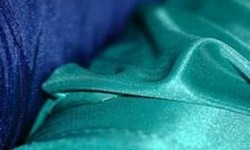
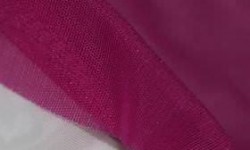
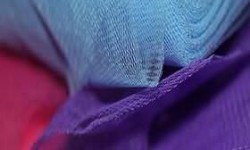
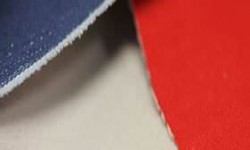
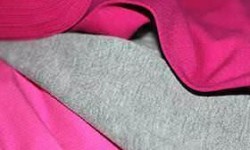
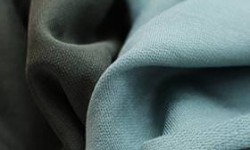
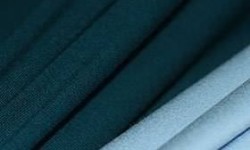
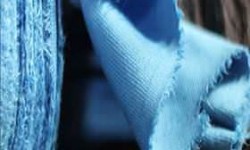
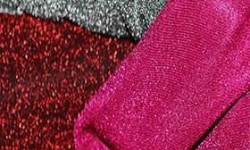
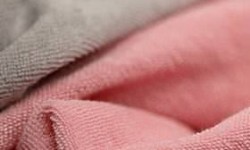
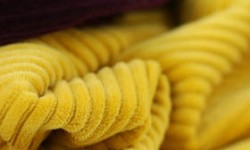
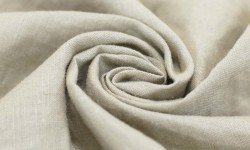
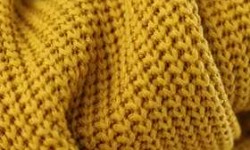
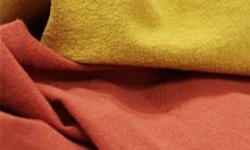
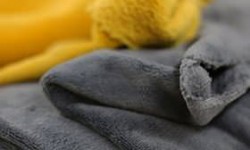
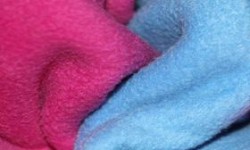
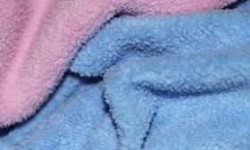
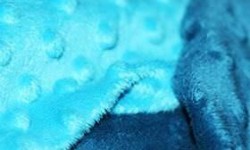
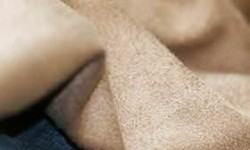
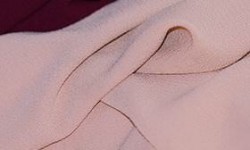
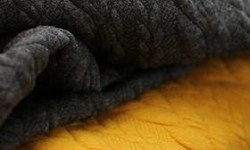
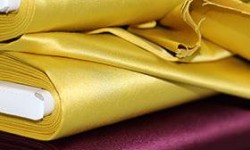
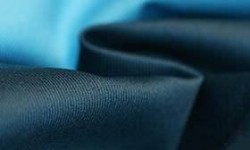
Information: Are you not sure about the color? Order here a color sample card with 17 different colors bamboo jersey fabric. These colors are available from stock all year round. Always judge the colors in sufficient daylight and try to view the color of different angles for an optimal image.
The fabric is manufactured in: Turkiye
Washing label
The fabric must be treated with care.
You can steam these with various solvents, including perchlorethylene (professional cleaning).
Iron at a maximum of 150°C.
Only in the dryer at a low temperature.
Do not bleach.
You can steam these with various solvents, including perchlorethylene (professional cleaning).
Iron at a maximum of 150°C.
Only in the dryer at a low temperature.
Do not bleach.
What is bamboo?
Bamboo is officially a type of grass, consisting of long, hollow stems that grow very quickly. It takes a viscose process to turn this woody plant into a soft substance. Like the wood used to make mucilage, bamboo contains cellulose. This cellulose can be transformed by chemical treatment into fibres and filaments that ultimately form the building blocks of substances. Bamboo is a beneficial ingredient because it can grow in any soil, grows naturally after it is cut down, and grows quickly without much water or pesticides. This makes growing bamboo more sustainable than growing cotton. Converting bamboo fibres into fabrics creates soft and flexible materials. Breathability and anti-bacterial properties make bamboo fabric very comfortable to wear and suitable for people with sensitive or allergic skin.
Bamboo properties?
Because bamboo fabrics are soft and do not irritate the skin, they are often used to make children's clothes. They even have antibacterial properties and do not become static. Like viscose fabric, bamboo fibre fabric is soft and has nice pleats and this material can absorb a lot of moisture. This makes the fabric breathable and ensures that it doesn't stick to you when you sweat on a hot summer day. On the other hand, bamboo also has thermal insulation properties, which keeps you warm in the winter. An additional advantage is that 100'mboe fabric does not wrinkle or shrink. Bamboo is often used in knitwear, cotton or fleece and is therefore combined with polyester, cotton and/or spandex for stretch.
Bamboo is officially a type of grass, consisting of long, hollow stems that grow very quickly. It takes a viscose process to turn this woody plant into a soft substance. Like the wood used to make mucilage, bamboo contains cellulose. This cellulose can be transformed by chemical treatment into fibres and filaments that ultimately form the building blocks of substances. Bamboo is a beneficial ingredient because it can grow in any soil, grows naturally after it is cut down, and grows quickly without much water or pesticides. This makes growing bamboo more sustainable than growing cotton. Converting bamboo fibres into fabrics creates soft and flexible materials. Breathability and anti-bacterial properties make bamboo fabric very comfortable to wear and suitable for people with sensitive or allergic skin.
Bamboo properties?
Because bamboo fabrics are soft and do not irritate the skin, they are often used to make children's clothes. They even have antibacterial properties and do not become static. Like viscose fabric, bamboo fibre fabric is soft and has nice pleats and this material can absorb a lot of moisture. This makes the fabric breathable and ensures that it doesn't stick to you when you sweat on a hot summer day. On the other hand, bamboo also has thermal insulation properties, which keeps you warm in the winter. An additional advantage is that 100'mboe fabric does not wrinkle or shrink. Bamboo is often used in knitwear, cotton or fleece and is therefore combined with polyester, cotton and/or spandex for stretch.
Reviews
Tags:
Sample